Use ENERGY STAR when comparing laptops
Use energy-efficiency certification as one verified shortlist criterion without treating it as a benchmark or a savings guarantee.
Updated:

Add certification to a shortlist that already fits
For a US laptop purchase, ENERGY STAR can help identify certified energy-efficient computers, but it is not a substitute for checking the applications and configuration you need. Begin with suitable candidates and use the official product finder to verify the relevant entry. Keep efficiency in its own column beside workload fit, connectivity, support, and complete purchase cost.
The official computers page provides a route to certified products and form-factor filters. Do not translate the presence of a label into a claim that a model is the fastest, has the best battery runtime, or will save a particular household a guaranteed dollar amount. Those are different questions with different evidence requirements.
Match the entry to the configuration
Record the manufacturer, model family, identifying details, and the date you checked the listing. If an advertisement uses a badge but you cannot connect it to an applicable official entry, leave that field unverified while you investigate. Similar names are not enough to establish that all configurations share the same characteristics.
Save the official listing alongside the seller's exact configuration. This evidence discipline is useful for any certification, because a shopping page may combine several options under one headline. It also keeps your comparison auditable: another person should be able to see which entry you used and why it applies to the candidate.
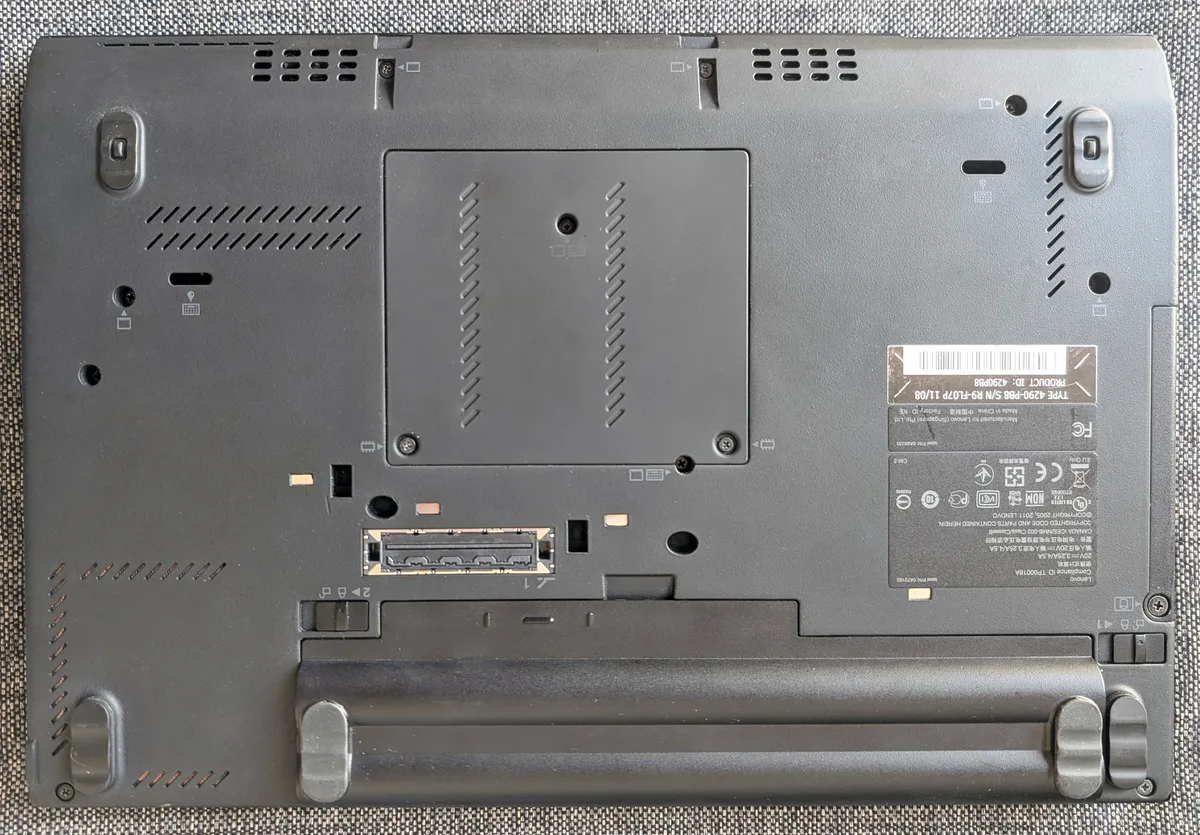
The underside photo is an older ThinkPad identification example, not proof of current ENERGY STAR certification. Use the exact identifier to find the relevant official entry; ordinary regulatory markings are not substitutes for that check.
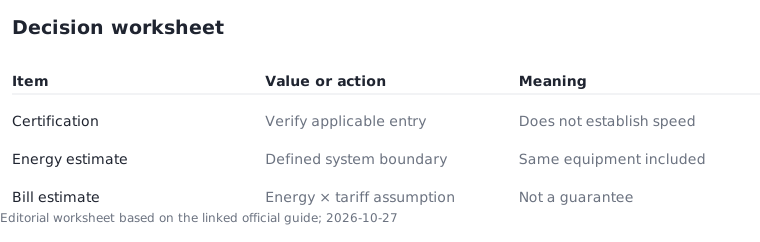
Keep power, energy and price in separate columns
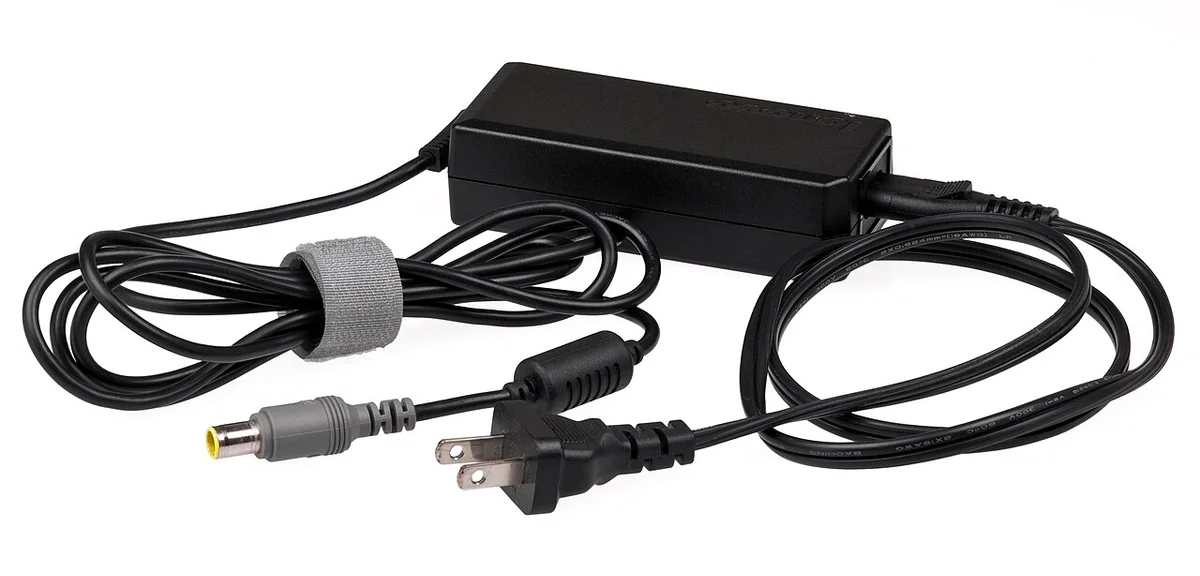
A power reading is not an annual electricity bill. To build a household estimate, you need assumptions about energy use over time and the relevant electricity rate. Do not use a marketing label to invent those missing inputs. A plug-in meter can help observe a particular setup, but its reading still depends on the workload and what equipment is included.
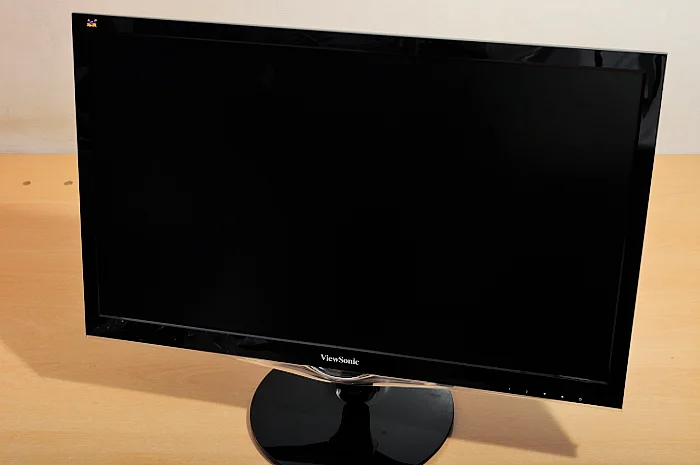
For example, measuring a laptop alone and measuring another laptop with a large external monitor produces different system boundaries. Write down the boundary before comparing. Include the same kinds of accessories on both sides or state clearly why the comparison is intentionally different. This makes an estimate more useful than a number with no measurement context.
Calculate only from explicit assumptions
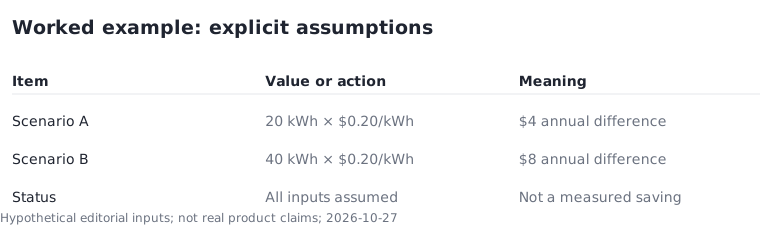
Consider a hypothetical annual difference of 20 kWh and an assumed rate of $0.20 per kWh. The resulting annual cost difference is 20 × $0.20 = $4.00. These are example inputs, not measured performance, a current utility tariff, or a promised saving from any certified laptop. If the energy difference were 40 kWh at the same assumed rate, the result would be $8.00.
Use that calculation to understand the relationship, then replace the inputs with evidence appropriate to your circumstances if you need a real estimate. Do not let a small illustrative electricity difference justify a much larger purchase premium without considering the full cost and the length of ownership. Equally, efficiency may matter to a buyer for reasons beyond a narrow bill calculation.
Use current evidence and avoid dated sizing advice
A source can contain current certification information and older background buying advice on the same page. The ENERGY STAR computers page explicitly dates part of its buying guidance to March 2014. This guide uses the certification and product-finder route, not those old component-sizing examples as current laptop recommendations.
Finish with a shortlist that separates verified facts from preferences and assumptions. Confirm software compatibility, the actual configuration, and seller terms before purchasing. Certification is one useful piece of the decision; the best choice for your needs still has to perform the jobs you bought it for. Keep the source-check date in your notes and repeat the check if you switch models.